
Table of Contents
ToggleRestaurant reviews strategies can make or break a dining establishment in today’s digital landscape. A single negative review can deter dozens of potential customers, while a steady stream of positive feedback builds trust and drives foot traffic. Studies show that 94% of diners choose restaurants based on online reviews, making reputation management a critical business function. This guide covers proven methods to gather more reviews, respond effectively to feedback, and turn customer opinions into a powerful growth engine.
Key Takeaways
- Effective restaurant reviews strategies directly impact revenue—a one-star rating increase on Yelp can boost income by 5-9%.
- Ask for reviews at peak satisfaction moments and reduce friction with QR codes linking directly to review platforms.
- Respond to all reviews within 24-48 hours, keeping replies personal and professional to build customer trust.
- Turn negative feedback into opportunity by acknowledging issues, taking conversations offline, and using complaints to improve operations.
- Leverage positive reviews as marketing assets by featuring them on your website, social media, and advertising campaigns.
- Analyze review trends to inform menu development, motivate staff, and identify competitive advantages in your market.
Why Online Reviews Matter for Restaurants
Online reviews function as digital word-of-mouth. They influence purchasing decisions more than traditional advertising ever could. Here’s why restaurant reviews strategies deserve attention from every food service business.
Consumer Trust Runs on Reviews
According to BrightLocal’s 2024 consumer survey, 88% of people trust online reviews as much as personal recommendations. For restaurants specifically, Google reviews, Yelp ratings, and TripAdvisor scores often determine whether someone walks through the door or scrolls past.
Search Visibility Depends on Feedback
Google’s local search algorithm weighs review quantity, quality, and recency. Restaurants with more positive reviews rank higher in local pack results. This means better visibility when hungry customers search for “Italian food near me” or “best brunch spots.”
Revenue Directly Correlates with Ratings
Harvard Business School research found that a one-star increase on Yelp leads to a 5-9% increase in revenue. That’s significant for any restaurant operating on thin margins. Poor ratings do the opposite, they quietly drain business before owners realize what’s happening.
Competitive Differentiation
In markets saturated with dining options, reviews separate winners from losers. Two similar restaurants on the same block will see vastly different traffic if one holds a 4.6 rating while the other sits at 3.8.
How to Encourage Customers to Leave Reviews
Most satisfied customers don’t leave reviews unless prompted. Effective restaurant reviews strategies include systematic approaches to generating feedback without being pushy.
Ask at the Right Moment
Timing matters. The best moment to request a review is when customers express satisfaction, right after they compliment the meal, when they’re paying the bill, or as they leave with full stomachs and happy moods. Train staff to recognize these windows and make the ask naturally.
Make It Easy
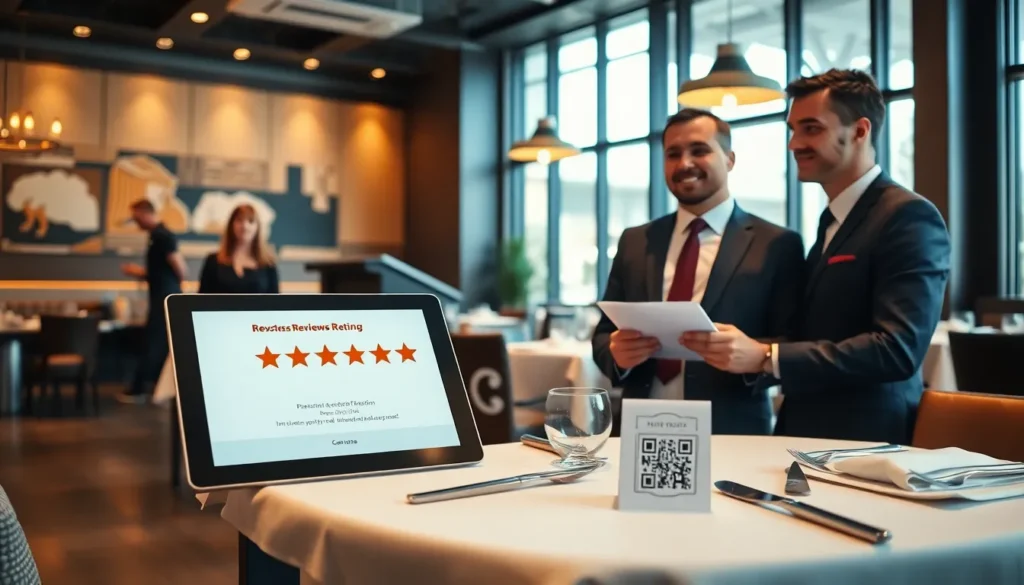
Every friction point reduces review completion rates. Include QR codes on receipts, table tents, or check presenters that link directly to the Google or Yelp review page. The fewer clicks required, the higher the conversion rate.
Use Follow-Up Emails and Texts
For restaurants with reservation systems or loyalty programs, automated follow-up messages work well. Send a brief, friendly request 2-4 hours after the meal. Include a direct link. Keep the message short, three sentences maximum.
Offer Incentives Carefully
Some platforms prohibit incentivized reviews. Google and Yelp can penalize businesses that offer discounts for reviews. But, restaurants can legally encourage feedback through contests or general loyalty rewards that don’t tie specific benefits to review completion.
Create Review-Worthy Experiences
The most effective strategy remains delivering exceptional service and food. Memorable experiences, whether it’s a complimentary dessert for a birthday or a server who remembers a regular’s usual order, inspire organic reviews. People share stories, not transactions.
Responding to Positive and Negative Reviews
How restaurants respond to reviews matters almost as much as the reviews themselves. Smart restaurant reviews strategies include a clear response protocol.
Handling Positive Reviews
Positive reviews deserve acknowledgment. A quick, genuine thank-you shows appreciation and encourages future feedback from other customers who see the interaction.
Keep responses personal. Mention specific details from their review: “We’re thrilled you loved the lobster risotto, Chef Marco will be excited to hear that.” Generic copy-paste responses feel hollow.
Respond within 24-48 hours. Timeliness signals that the business values customer feedback.
Addressing Negative Reviews
Negative reviews test a restaurant’s professionalism. Done right, responses can actually convert critics into advocates.
Stay Calm and Professional
Never argue or get defensive. Even if the complaint seems unfair, emotional responses make the restaurant look bad to everyone reading.
Acknowledge the Issue
Start by thanking them for the feedback and apologizing for their experience. This diffuses tension immediately: “We’re sorry your visit didn’t meet expectations.”
Take It Offline
Offer to continue the conversation privately. Provide a direct email or phone number: “Please reach out to [email] so we can make this right.” This shows commitment to resolution without airing details publicly.
Learn and Adapt
Negative reviews often contain valuable operational insights. Patterns in complaints, slow service, cold food, rude staff, indicate real problems worth fixing.
Leveraging Reviews for Marketing and Growth
Reviews aren’t just defensive tools. Strong restaurant reviews strategies transform feedback into marketing assets that fuel growth.
Feature Reviews on Your Website
Embed positive reviews on the homepage, menu pages, and reservation pages. Social proof at decision points increases conversion rates. Use widgets from Google or dedicated review platforms to display real-time ratings.
Share on Social Media
Turn glowing reviews into social content. Screenshot a five-star review, add the restaurant’s branding, and post it to Instagram or Facebook. Tag the reviewer if appropriate, they’ll likely share it with their own network.
Use Reviews in Advertising
Incorporate star ratings and customer quotes into digital ads, print materials, and email campaigns. “Rated 4.8 stars by 500+ customers” carries weight that self-promotional copy cannot match.
Analyze Trends for Menu Development
Review data reveals what customers love (and don’t). If reviewers consistently rave about the truffle fries but ignore the salads, that’s menu intelligence. Use text analysis tools or manual reading to spot patterns.
Motivate Staff with Feedback
Share positive reviews with the team. When servers see their names mentioned in five-star reviews, it boosts morale and reinforces excellent behavior. Some restaurants tie bonuses to review performance.
Monitor Competitors
Track competitor reviews to identify their weaknesses and your opportunities. If nearby restaurants get complaints about long wait times, emphasize your quick service in marketing.


